
Landscape & Memory: Martinican Land-people-history
Martinican writers confront France’s colonial legacy by examining the remapping of land, memory, and identity in the French West Indies.
Genre :
Documentary
Contemporary Issues :
Decolonization
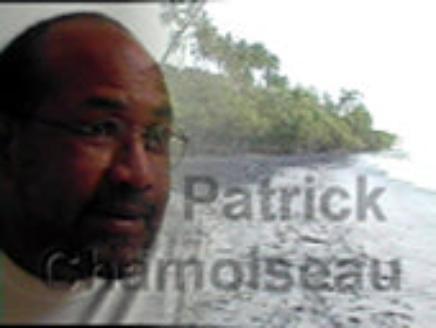
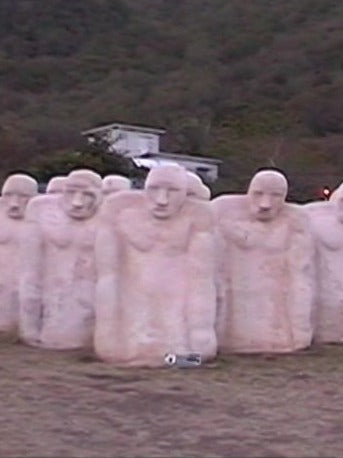
In LANDSCAPE AND MEMORY, the French West Indies most renowned identity theoreticians Jean Bernabe, Patrick Chamoiseau and Raphael Confiant investigate the different ways in which France, as a colonial power, marks colonized lands and peoples. Importantly, this is one of the few films about Martinique that adopts a Martinican perspective on France’s overwhelming and continued colonial and cultural presence. The Martinican writers ask how, in a country like Martinique, does a colonial power “re-map” space and land? How does it “re-map” a people’s memories and identities? And can one resist this mapping?
Directors :
Renee Gosson ,
Eric Faden
Available Format :
DVD ,
MP4
Markets :
Documentary
Year Released : 2001
Running Time :
30
Country : US/Martinique
Original Language : French
Your Next Watch: Own Or Rent
|
Buyer Type
|
Format
|
Sale Type
|
Price
|
|---|---|---|---|
| Higher Education Institutions | DSL 1-year | License |
$150.00
Add to Cart
|
| Higher Education Institutions | DSL 3-years | License |
$300.00
Add to Cart
|
| Higher Education Institutions | DVD | Sale |
$200.00
Add to Cart
|
| Higher Education Institutions | Life Digital File | Sale |
$600.00
Add to Cart
|
Trailer and More
Visual Journey: Scenes from Landscape & Memory: Martinican Land-people-history
Explore a gallery of images from "Landscape & Memory: Martinican Land-people-history," offering a visual feast that captures the essence of its story.